Premium AI Tiers: How to Judge If One Is Worth It
RedHub AI Editorialupdated August 16, 20264 min read

In short
Premium AI tiers are priced by what a high-value buyer will pay, not by compute cost, so the question is never whether the model is proportionally better. Decide on cost per finished task at your real volume, including the time still spent checking and fixing output. The tier pays when you hit limits during real work, when one bundled capability is central to your job, or when long context changes what you can attempt.
Jump to a section7
This is general information about evaluating software subscriptions. It is not financial advice, and AI pricing and tier contents change frequently, so confirm current terms with the vendor.
Why the top tier exists
Premium AI plans are not priced by what the compute costs. They are priced by what a specific buyer will pay, and that buyer is someone whose hour is worth more than the difference.
Understanding that changes the question. You are not asking whether the model is ten times better, because it is not and was never claimed to be. You are asking whether a narrower set of things it unlocks is worth the gap to you.
Top tiers usually bundle four things: higher usage limits, earlier access to new models, expanded context, and something separate like video generation. Those are different purchases sold as one, and only one of them is likely to be your reason.
The number that decides it
Cost per month tells you nothing. Cost per finished task tells you everything, and almost nobody calculates it.
Take a job you do. Work out what it currently costs in your time plus your current tooling. Then work out what it costs on the higher tier, including the time you still spend fixing and checking the output. Compare those two numbers on the volume you run, not the volume you imagine.
The result is usually one of three. The upgrade is obviously worth it because you hit limits weekly and the interruption is the real cost. It is obviously not, because you hit limits twice a year. Or the honest answer is that you cannot tell, which means your volume is too low for the question to matter, and the answer is no.
Where premium tiers pay
- You hit the ceiling regularly. Rate limits interrupting real work is the cleanest case there is. The cost is not the wait, it is the context you lose.
- One bundled capability is your job. If video generation is what you do for a living, you are buying that and getting the rest as change.
- Long context is load-bearing. Working across whole codebases or long documents is different at higher limits, not just more convenient.
- Your billable rate makes it rounding. If an hour saved a week covers it, the calculation is finished before it starts.
And where it does not pay: buying the top tier to be current. That is a subscription to a feeling, and it renews.
The trap in the middle
Most people evaluating a premium tier are on a standard paid plan and have never established whether they are limited by the tool or by how they use it.
If your outputs are mediocre because your inputs are vague, a better model returns better-written mediocre outputs. The upgrade converts a skill problem into a spending problem, and it feels like progress for about six weeks.
The cheap test: spend two weeks working deliberately on the plan you have, with real attention to how you specify tasks. If quality jumps, you found your constraint. If you keep hitting hard limits, you found a different one, and now the upgrade case is evidence-based, not aspirational.
The complication
Everything above is a case for restraint, and restraint has a cost that does not appear on any invoice.
Capability gaps compound. Somebody working with substantially better tooling for a year develops different habits about what is worth attempting, and that difference is invisible in a monthly comparison. The person who declined the upgrade never sees the projects they stopped considering.
So the calculation is incomplete, and pretending otherwise would be tidy and wrong. A defensible compromise is to buy the top tier for a defined period, use it deliberately, and decide with evidence instead of renewing by default or refusing on principle.
Run the number before you decide
Cost per finished task is the calculation that settles this, and it is arithmetic, not judgment once you have the inputs.
Our AI Cost-Per-Task Calculator ($29) does that math on your real volume, including the fix-and-check time people leave out, which is usually what flips the answer.
Frequently Asked Questions
Are premium AI subscriptions worth the price?
It depends on volume and on which bundled capability you need. Top tiers are priced by what a high-value buyer will pay, not by compute cost, so the question is never whether the model is proportionally better. It is whether higher limits, earlier access, longer context or one specific extra capability is worth the gap to you.
What number should I use to decide?
Cost per finished task, not cost per month. Take a job you do, calculate what it costs today in your time plus current tooling, then what it costs on the higher tier including the time you still spend checking and fixing output. Compare at your real volume, not your imagined volume.
When is a premium tier clearly justified?
When you hit rate limits regularly during real work, because the cost is lost context, not waiting. When one bundled capability, such as video generation, is central to your job. When long context changes what you can attempt. Or when your billable rate makes an hour saved per week cover the difference.
What is the most common mistake?
Upgrading to fix a skill problem. If outputs are weak because inputs are vague, a stronger model produces better-written weak outputs. Spend two weeks working deliberately on your current plan first. If quality jumps, you found the constraint. If you keep hitting hard limits, the upgrade case is now evidence, not aspiration.
Is there a cost to not upgrading?
Yes, and it is invisible on an invoice. Capability gaps compound, because someone working with substantially better tooling develops different habits about what is worth attempting. The person who declined never sees the projects they stopped considering. Buying for a defined trial period and deciding on evidence handles this better than a permanent yes or no.
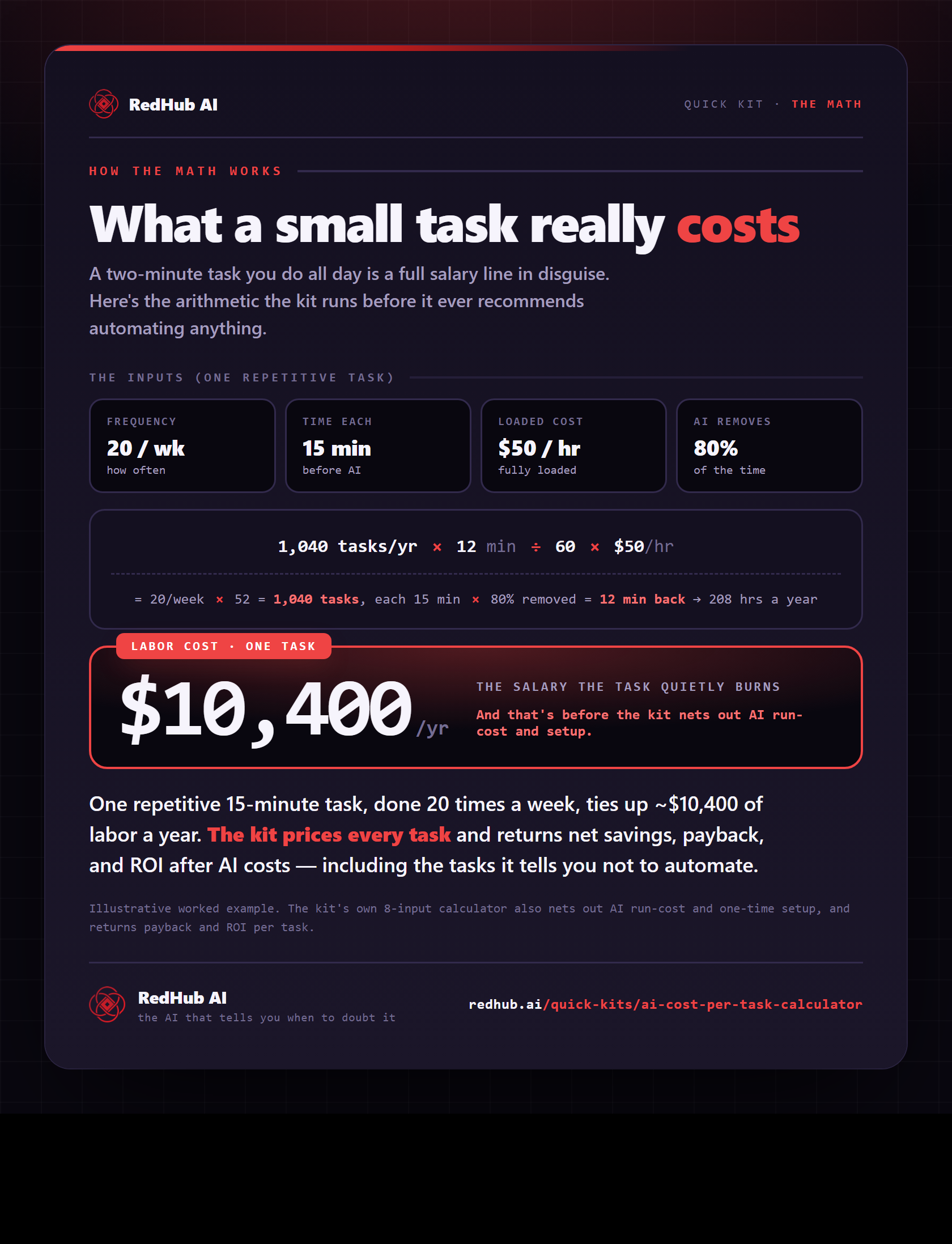
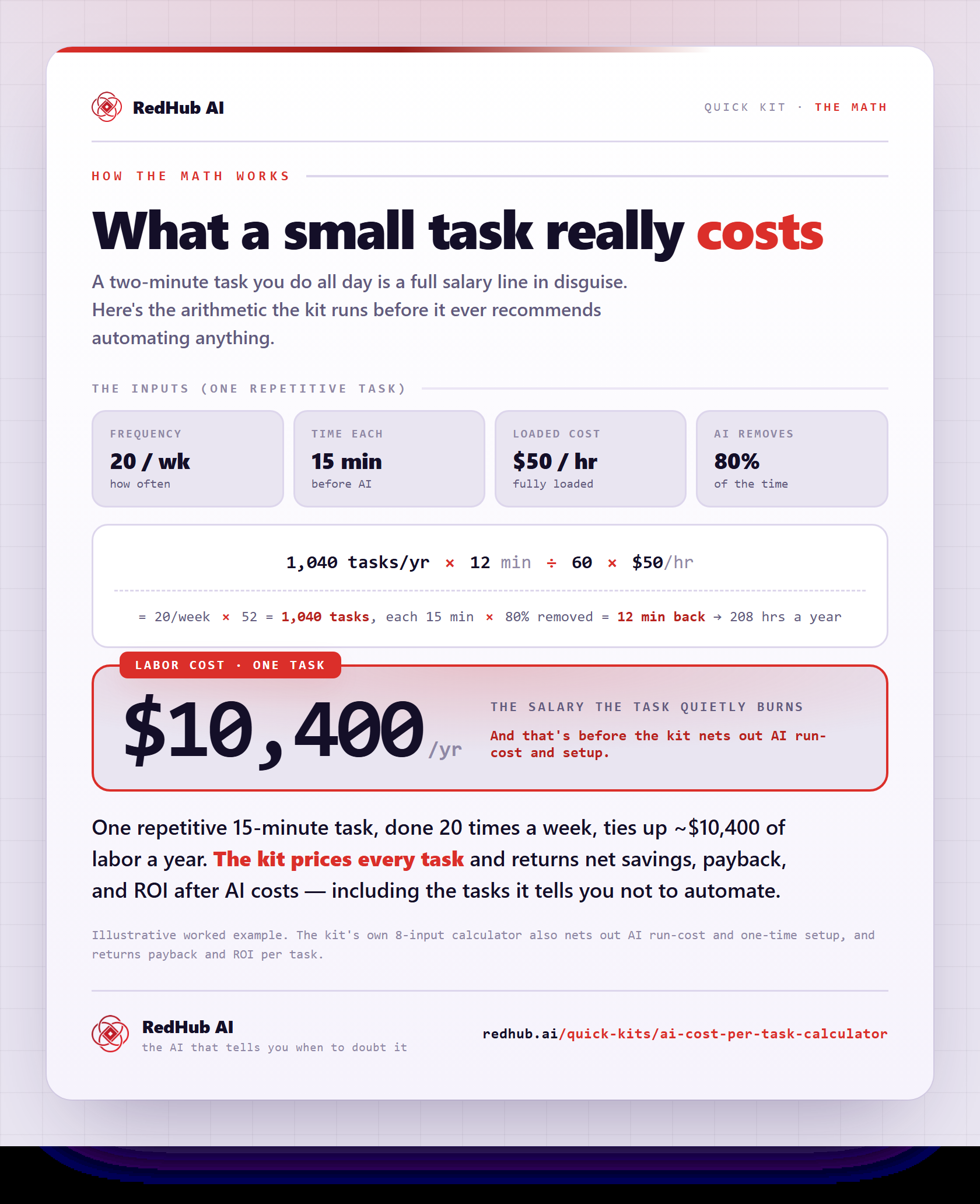
The gate this post refers to, drawn from the tool’s own logic. See the tool.