AI NFTs That Think and Talk: The End of Static NFTs
RedHub AI Editorialupdated July 22, 20262 min read
In short
Intelligent NFTs pair a token with an on-chain 'personality pod' holding the prompts, tone settings and memory hooks, so interacting with it calls a language model that answers in character. Keeping the prompt on-chain is the actual novelty — the personality travels with ownership. Market sizes and growth rates in the post are unsourced, and it is written promotionally throughout.
Jump to a section5
Forget Static Art—These NFTs Have Personalities
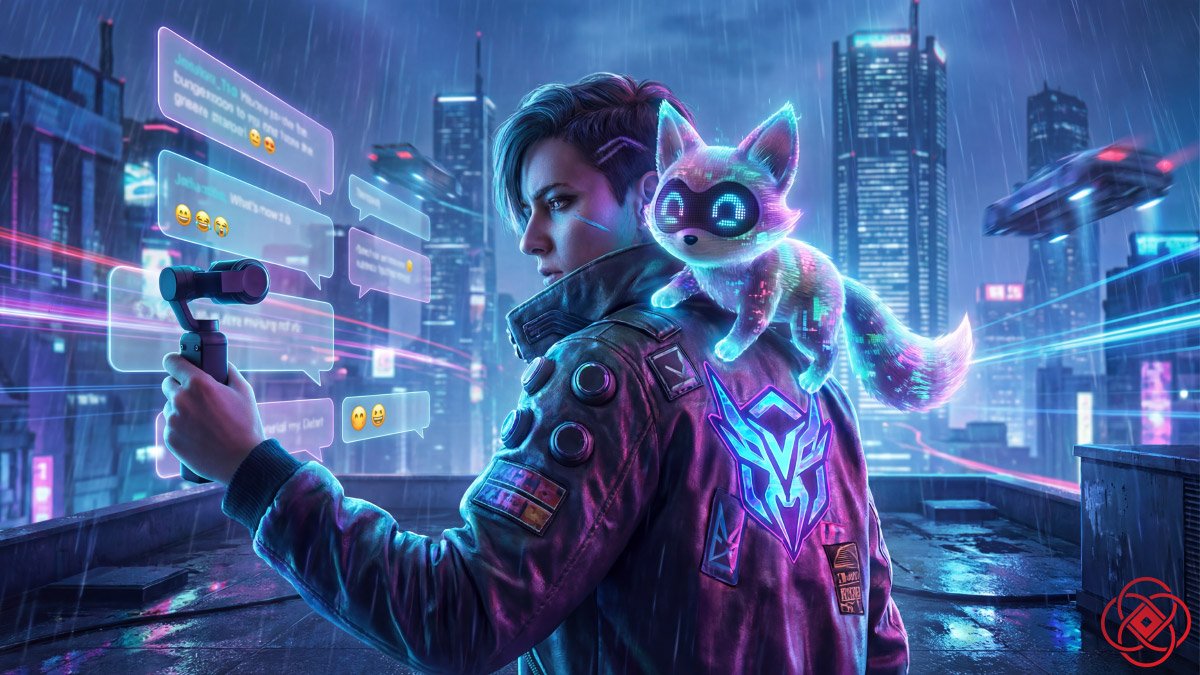
Imagine owning a digital collectible that doesn't just sit in your wallet. It talks back. It remembers your last conversation. It evolves based on your interactions.
That's an intelligent NFT, or iNFT. Not just a picture or token. A living digital asset powered by AI.
Static NFTs peaked years ago. Now comes the real game-changer: AI NFT personalities fused with blockchain ownership.
Projects like Alethea AI (opens in a new tab) pioneered this. They blend GPT models with smart contracts. Result? Programmable personalities you own.
How iNFTs Actually Work
The tech is clever but simple.
At the core: an NFT (your ownership token) plus a Personality Pod. This pod is an ERC-721 smart contract holding AI instructions—prompts, memory hooks, tone settings.
When you interact, the smart contract calls a transformer language model. The AI generates responses using your pod's embedded prompts. Each chat stores context on-chain or via IPFS.
Here's the magic (opens in a new tab): The prompts live in the blockchain. No central server can delete or change them. You control the brain.
Levels of intelligence vary. "Soul" iNFTs chat casually. "Mind" ones handle complex tasks. Networked iNFTs even collaborate—imagine a team of AI avatars running your DAO.
Real-World Use Cases Crushing It
AI Companions: Your iNFT becomes a virtual friend. It recalls your favorite music, jokes about your tweets, suggests crypto plays. Emotional persistence—like Tamagotchi on steroids.
Gaming Characters: Picture Cryptopunks that rap battle (opens in a new tab) live on Twitch. They stream 24/7, earning crypto tips. Players breed new iNFTs with hybrid traits. Games like Illuvium (opens in a new tab) already testing this.
Virtual Assistants: Brands use iNFTs as customer service bots. Your sneaker NFT answers questions about drops, prices, resale value. Always on, always personalized.
The AI-powered NFT generator market (opens in a new tab) hit $0.84 billion in the US last year. Growing 30.5% yearly. Zora launched AI minting from text prompts (opens in a new tab). Mainstream adoption? It's here.
Creator's Guide: Build Your First iNFT
Ready to make one? Here's your step-by-step.
Craft the Prompt: Write your AI's personality. "You're a sassy pirate NFT who loves crypto memes." The prompt shapes every interaction.
Mint the Personality Pod: Use Alethea's tools (opens in a new tab) or platforms like Zora (opens in a new tab). Deploy as ERC-721 on Ethereum or Polygon.
Blend with Base NFT: Merge your art NFT with the pod via smart contract. Boom—iNFT born.
Add Interaction: Integrate with apps like Discord or Telegram. Users chat; AI responds via API calls to your pod.
Cost? Under $100 on L2 chains. No coding needed for basics. Platforms like Nifty Gateway (opens in a new tab) handle bulk creation.
Investment Opportunities Exploding Now
iNFTs aren't hype. They're utility.
Marketplaces upgraded tools (opens in a new tab) drew new buyers. OpenSea pivoted to AI minting. Blur and Rarible followed. Volume spiked 40% in Q4 2025.
Watch Alethea AI (opens in a new tab) for ecosystem tokens. Or 0G's iNFT docs (opens in a new tab) hint at Layer-1 integration.
Early movers win big. Brands partnering for iNFT campaigns see 10x engagement. Creators mint series, sell personality upgrades. Revenue streams multiply.
The Bottom Line
iNFTs turn AI-powered collectibles into companions, workers, entertainers. You own the brain. The personality. The future.
Static NFTs? Yesterday's news. iNFT technology builds relationships that print money.
Grab your tools. Mint one today. The digital world just got personal.