Content Calendar: Build One for a Team of One
RedHub AI Editorialupdated August 18, 20263 min read
Jump to a section7
TL;DR
- What it is: a simple plan of what you'll post and when, built to run itself.
- Who it's for: solo creators who stall on "what do I post today?" — see how to create content consistently.
- How it works: rotate your pillars across your real posting slots, so every slot is pre-filled.
- Bottom line: a solo calendar should be boring and repeatable — a pattern, not a puzzle you re-solve weekly.
How do you build a content calendar as one person?
You build a one-person content calendar by rotating your content pillars across the posting slots you can realistically keep — not by planning every post in detail weeks ahead. The goal is a repeatable pattern (Monday is pillar A, Wednesday is pillar B) so every slot already has a topic before you sit down. A solo calendar should be boring on purpose: the less you have to decide each week, the more likely you actually post.
Best for: creators who freeze on "what today?" The Content Engine ships a pillar-driven calendar.
Most content-calendar advice is built for teams with a manager filling slots. For one person, that's overkill that collapses in week two. A solo calendar has a different job: not to plan everything, just to make sure you never face an empty slot. Here's how to build one that runs itself.
Start with the cadence you can keep
Before you fill a calendar, set how often you'll post — honestly. Three sustainable posts a week beat a plan for daily posts you abandon by Friday. Pick the number you can hold on a bad week, not a good one. Everything downstream depends on this being real, because a calendar you can't keep is just a guilt generator.
Rotate pillars into a repeatable pattern
The trick that makes a solo calendar sustainable is a rotation, not a plan. Assign your pillars to your slots in a repeating pattern, so the topic is decided before the week starts:
| Slot | Pillar (rotates) | You only decide |
|---|---|---|
| Post 1 | Pillar A — your core topic | The angle |
| Post 2 | Pillar B — a second theme | The angle |
| Post 3 | Pillar C — a third theme | The angle |
Now "what do I post Wednesday?" is already answered — it's a Pillar B post; you just pick the angle. That's the whole point of a calendar for one: shrink the weekly decision from "everything" to "which angle."
Boring is the feature. A predictable rotation feels less exciting than a fresh plan every week, but it's what survives a busy month. The calendar's job is to still be there when your motivation isn't.
Plan topics, not perfect posts
A common trap is over-planning — scripting every post weeks ahead, then feeling boxed in or falling behind. For one person, plan the topic (the pillar) and leave the angle for when you write. That keeps the calendar useful without making it a cage. The Content Engine for One Person is built exactly this way: pillars mapped to slots, angles generated when you sit down. For how often to post on each platform specifically, the Short-Form Video System goes deep on cadence.
A calendar that fills itself
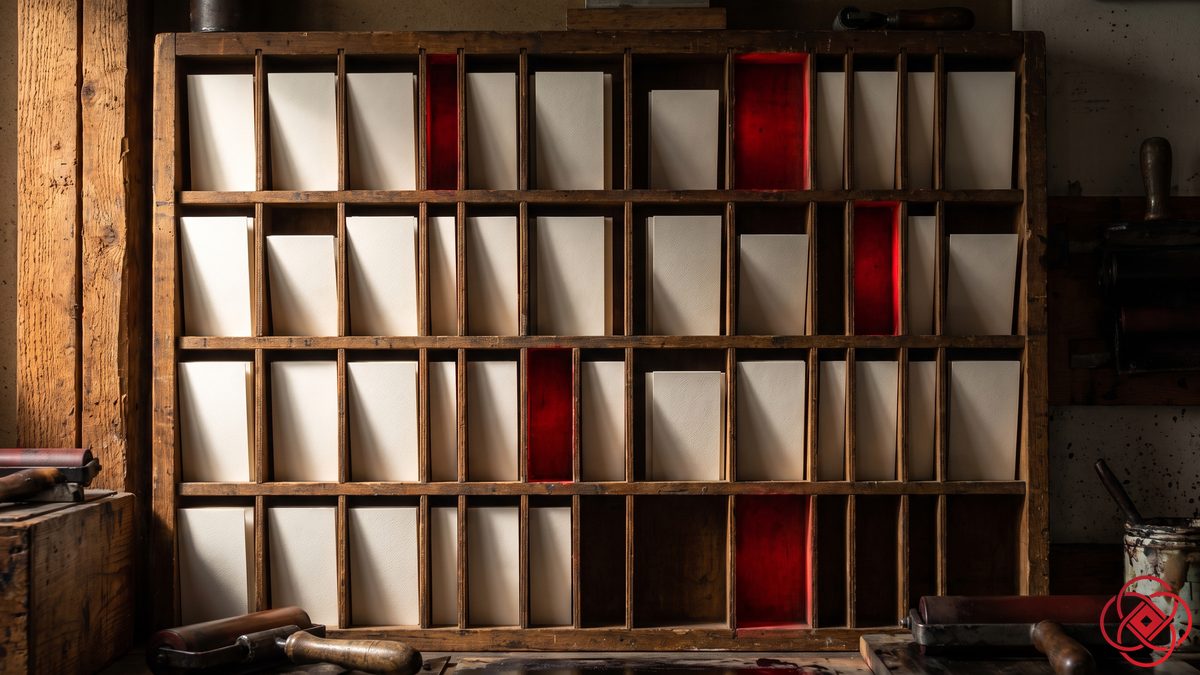
Pillars mapped to your real slots, angles on demand — a one-person calendar that survives a busy month.
Get the Content Engine — $39 →The calendar is one part of the system. See the rest in the consistent-content guide.
Decision Guide
Build a calendar if: you stall on "what do I post today?" more than you actually post.
Simplify it if: you're scripting every post weeks ahead — plan the pillar, not the whole piece.
Best first step: assign your pillars to a repeating weekly rotation and post the next slot.
Common Questions
How do I make a content calendar by myself?
Set a cadence you can keep, then rotate your pillars across those slots in a repeating pattern so every slot has a topic before the week starts.
How far ahead should I plan?
Plan the topic (pillar) per slot, not the full post. Over-planning every post weeks ahead boxes you in and usually falls behind.
What's the best content calendar for one person?
A boring, repeatable rotation. Predictable beats clever — the calendar's job is to still be there when your motivation isn't.
Should every post be planned in detail?
No. Decide the pillar ahead of time and the angle when you write. That keeps the calendar useful without making it a cage.
What cadence should I set?
The one you can hold on a bad week. Three sustainable posts beat a daily plan you abandon by Friday.
How does a calendar connect to pillars?
Pillars are the topics; the calendar assigns them to slots. Together they answer "what do I post?" before you sit down.
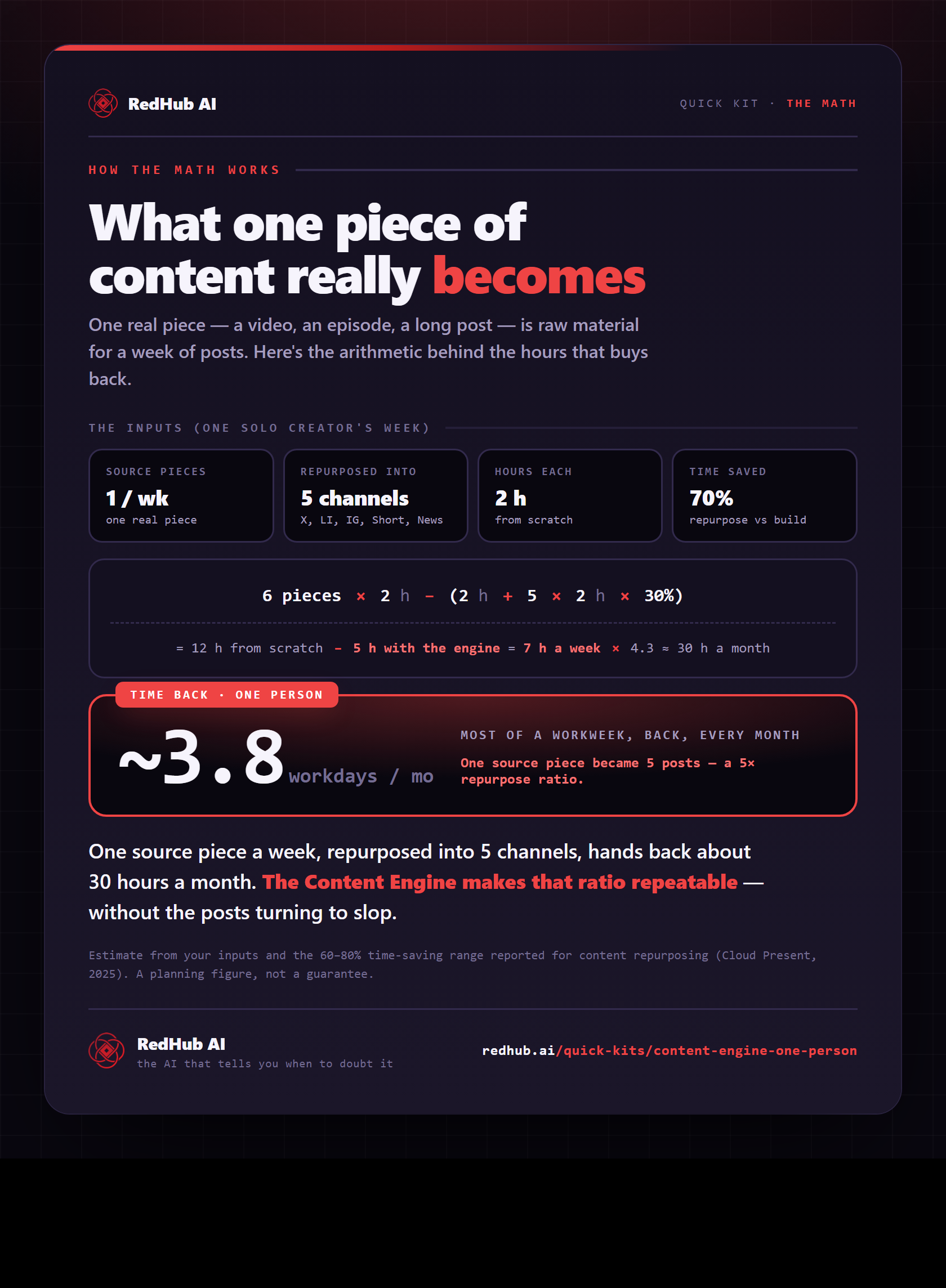
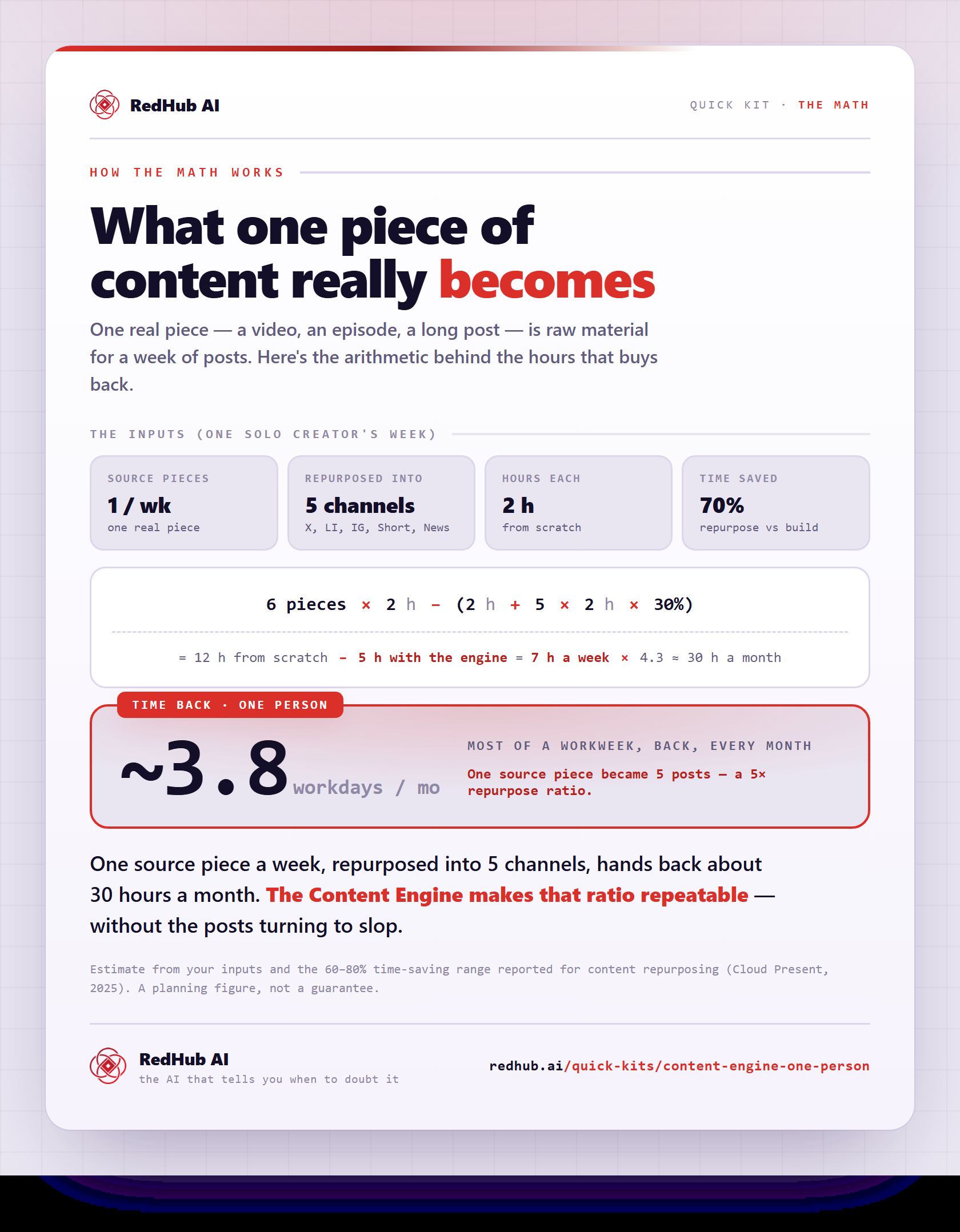
The gate this post refers to, drawn from the tool’s own logic. See the tool.